

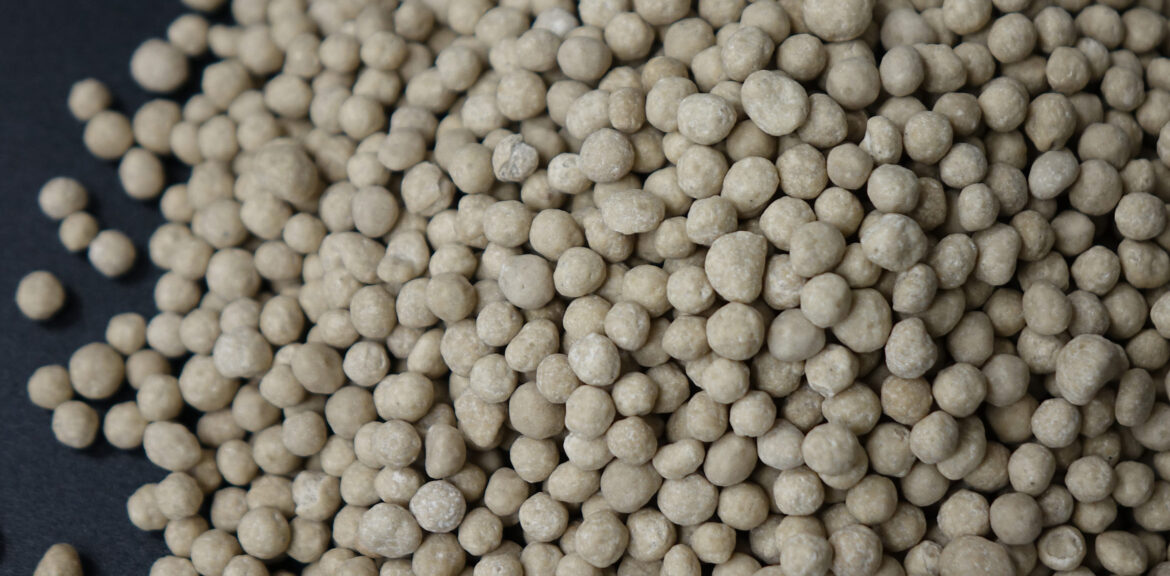

Fertilizers are important in the current farming and gardening activities in the sense that they restore effective nutrients in the soil. npk fertilizer is one of the best used fertilizers of the many different varieties of fertilizer. It is named after the three main nutrients it contains Nitrogen (N), Phosphorus (P), and Potassium (K) all of which are essential to photosynthesis and plant development.
What is NPK Fertilizer?
NPK fertilizer is mixed or compound fertilizer which comprises of balanced proportion of following three macronutrients:
N (Nitrogen): Promotes the growth of leafy greens, aids in the manufacture of chlorophyll and plays an essential part in photosynthesis.
- P (Phosphorus): Grows roots, builds stems and improves flowering and fruitbearing.
K (Potassium): Helps in the overall health of the plant, disease resistance, and increases the quality of fruits.
These fertilizers are denoted by the three liquid fertilizer number ratio (e.g. 10-10-10 or 20-10-10) which is a proportion of the percentage of weight of N, P and K respectively.
Benefits of NPK Fertilizer
- Balanced Nutrition: This gives the plants the three most vital macronutrients in a single product.
- Better Yield: Will promote healthier plants that yield more flowers, fruits or vegetables.
- Adjustable Ratios: Can be configured in various NPK ratios to be used in individual crops and soils.
- Multiple Purpose: Can be used in the lawns, gardens, crops, and potted plants.
Choosing the Right NPK Ratio
The nutrient requirements of different plants are different. These are examples of typical NPK ratios and uses:
High-Nitrogen (e.g. 20-10-10): This type of fertilizer is best used in lawns and leafy vegetables that require vigorous green development.
Balanced (e.g., 10-10-10): It is appropriate in the general garden use and the maintenance of the overall soil fertility.
High-Phosphorus (e.g., 10-20-10): Ideal with flowering plants, root crops, and transplanting seedlings.
High-Potassium (e.g., 10-10-20): It is recommended to use it with fruit-bearing crops and plants in order to increase the production and quality.
Application Tips
Soil Test First: You should test your soil before the application of NPK fertilizer to prevent over fertilizing the soil.
- Label Instructions: Use this suggested amount on the labelling to avoid burning the nutrients.
- Water after Application: This assists in penetrating the soil with nutrients to get to the roots of the plants.
Any application of fertilisers can be done in seasons: when your plants are in the season, increase the application frequency and vice versa.
Synthetic and Organic NPK Fertilizers.
Although synthetic NPK fertilizers are quick-acting and accurate, organic substitutes, composted manure, bone meal and wood ash may offer the same nutrients in a more sustainable manner. The decision between them will be based on whether you want to fast or want to be more environmentally-friendly.
Final Thoughts
NPK fertilizers have become an essential component of plant nutrition which assists gardeners and farmers to raise healthier, more prolific plants. Whether you are looking after a backyard vegetable garden.


