
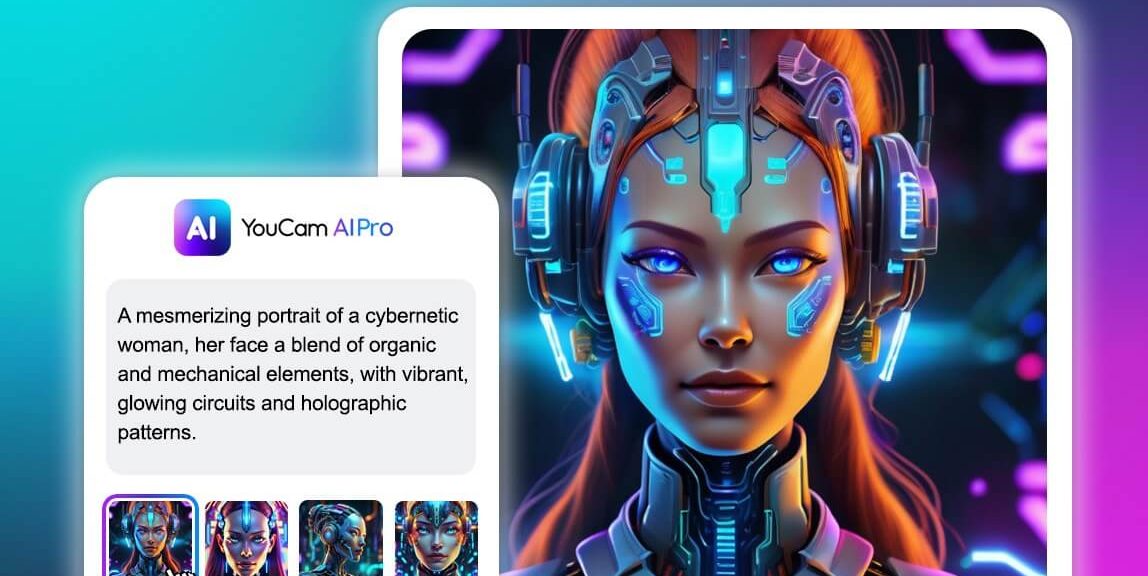

Through text-to-image AI, it is evident that 2025 has highlighted the boundaries of creativity and communication. What was previously thought to be impossible is now attainable and may be given form through art. For instance, turning straightforward text prompts into stunningly beautiful graphics can open up new possibilities for artists, designers, educators, and businesses to innovate like never before. So let’s examine the history of text-to-image AI.
Text-to-image technology is evolving in a methodical manner. From producing hyperrealistic images, abstract art, and designs based only on descriptions, this once-specialized product—which was thought to be used only in artistic images—is now finding its way into people’s everyday lives. It is not limited to the art world; it is also being used in marketing, education, and urban planning, among other fields.
How It Operates
NLP and picture algorithms are combined in this fundamental type of text-to-image AI to capture the subtleties of the text input and transform abstract concepts into logical images. Large datasets enable these algorithms to produce outputs that are accurate, imaginative, and contextual.
Effects on many fields
1. Art and Design: By combining the efficiency of the machine with human ingenuity, the artist will now be able to create new aesthetics. Designers can see original ideas and rapid iterations.
2. Education: These tools help teachers and students make abstract ideas come to life, which enhances their educational experiences.
3. Entertainment: In this genre, writers and filmmakers utilize technology to visualize the characters and situations that could make the difference between fiction and reality.
4. Business: Customized product designs and marketing pictures are now possible, and prototyping is quicker and less expensive than before.
Obstacles and Moral Issues
While there are undoubtedly benefits to it, there are also problems with copyright, authenticity, and ownership of creative material. Debates would still be going on in 2025 to develop rules that can strike a balance between innovation and ethical behavior and respect for the original works.
An Instrument for the Future
2025 has arrived, and text-to-image AI is making it possible for anybody to create. And as it develops more, its ability to restore human creativity and find solutions to global issues becomes more and more apparent every day.
What comes next? Time will tell. However, there has never bee


