

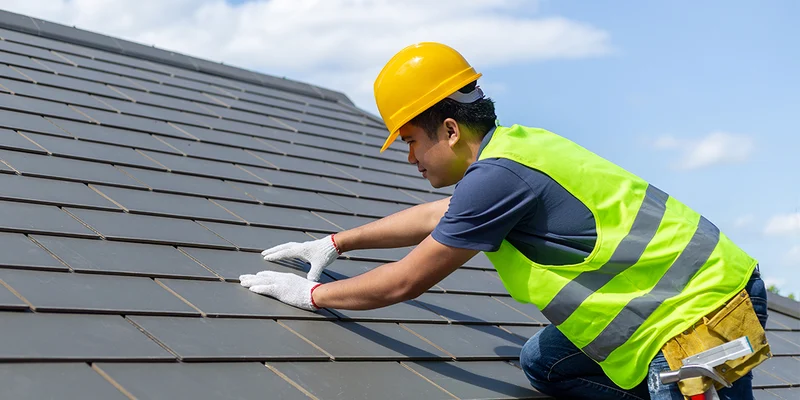

Your roof is the first defense against the elements for your home, yet it’s not necessarily always paid close attention to until there is a problem. roof inspection Regular roof inspections by a qualified professional can prevent costly repairs, extend the life of your roof by years, and give your family peace of mind. The information below is all you need to know about roof inspectors and how critical they are when maintaining your home.
What Does a Roof Inspector Do?
Roof inspectors are seasoned experts who check the state of your roof. Their work entails:
- Identifying Damage: Finding issues like cracked shingles, leaks, or storm damage.
- Assessing Wear and Tear: Inspecting aged materials, such as rotten flashing or moss.
- Checking Compliance: Ensuring that the roof is in compliance with local building codes and insurance.
- Using Advanced Tools: Using moisture meters, thermal imaging, or drones to expose hidden problems.
Why Are Roof Inspections Important?
- Prevent Costly Repairs: Small issues like loose shingles can escalate into major leaks or structural damage.
- Insurance and Warranty Claims: Many insurers require inspections after severe weather to process claims.
- Home Transactions: Buyers and sellers often request inspections to negotiate repairs or pricing.
- Longevity: Proactive maintenance can extend a roof’s lifespan by decades.
The Inspection Process: Step by Step
- Exterior Inspection: Inspectors begin with a ground-level visual inspection for sagging or readily apparent damage.
- Roof Access: They ascend safely to the roof to examine roof certification materials, seams, and drainage systems.
- Interior Inspection: Ceilings and attics are inspected for water stains, mold, or ventilation issues.
- Comprehensive Report: A comprehensive report details findings, photos, and suggested repairs.
Common Issues Uncovered
- Weather Damage: Missing shingles, hail damage, or wind-blown flashing.
- Water Penetration: Leaks near chimneys, skylights, or poorly sealed valleys.
- Structural Issues: Sagged rafters or rot caused by moisture held.
- Material Degradation: Blistering, curling, or granule loss on asphalt shingles.
When to Call in a Roof Inspector
- Once a Year: Schedule a maintenance check, especially before extreme seasons.
- After the Storm: After hurricanes, heavy snowstorms, or hail.
- Before Purchase: For house buying to avoid hidden costs.
- Observable Red Flags: Sags, stains, or unexplained spikes in energy bills.
Choosing the Right Inspector
- Credentials: Certifications like NRCA (National Roofing Contractors Association) or HAAG Engineering should be ensured.
- Experience: Inspectors with experience on your roof type (e.g., tile, metal, or flat roofs) should be prioritized.
- Insurance: They must have liability and worker’s compensation insurance.
- Reviews: Testimonials and references should be verified.
Cost Considerations
Inspections are typically 150–150–600, varying by roof size, pitch, and location. Do-it-yourself inspections can be done, but pros offer experience and tools to find less subtle issues.
Benefits of Regular Inspections
- Cost Savings: Early minor repairs avert expensive overhauls.
- Safety: Prevents collapses or mold growth due to hidden leaks.
- Value Preservation: A well-maintained roof improves curb appeal and resale value.
Conclusion
A roof inspector is a sleuth and a guardian of your home. By investing in regular inspections, you safeguard your property’s integrity, guarantee compliance, and enjoy peace of mind. Whether you are a homeowner, buyer, or seller, this service is a smart step toward long-term protection. Don’t let a drip become a flood—schedule your roof inspection today.


